Sunday, January 26, 2014

MKSAP 16 Review

You may have already come across Knowmedge’s coverage of several other ABIM Internal Medicine Board Review books. Today, we explore the “big daddy of them all”—the Medical Knowledge Self-Assessment Program (MKSAP), created by the venerable American College of Physicians (ACP). Ask any Internal Medicine resident—1st, 2nd, or 3rd year—how they plan on studying for the Internal Medicine board exam, and their response will surely include “MKSAP.” Furthermore, residency chiefs have developed a tendency of using MKSAP questions for board review at morning report, noon conference or even afternoon educational sessions. There is a reason for its vast utility: MKSAP is truly an authoritative guide to reviewing the curriculum covered in the ABIM Internal Medicine Board Review Blueprint.

In its 16th iteration, the MKSAP content has been refreshed as well as the user interface on the app/desktop versions creating a better learning experience.

Let’s begin with the many plusses of MKSAP 16:
  • First and foremost, with dozens of contributors in each of the major internal medicine sub-specialties, the medical content in the text and 1,200 questions is well-researched with bibliographic citations.
  • Lots of tables and figures help break up the text which can otherwise be cumbersome to stay engaged while reading. Later in your studying, revisiting these tables is a good approach.
  • One of my favorite features is the High-Value Care Recommendations that opens each book. Here’s why: the folks behind the ABIM, like the healthcare policy makers, are concerned about the overuse/inappropriate use of tests in the diagnostic work-up of commonly encountered symptoms. Thus, these points which emphasize unnecessary tests/treatments may be commonly tested on the actual exam. Furthermore, I’ve referred back to this section during patient care to determine if a test is actually necessary or extraneous before initiating treatment.
  • Dermatology contains vivid photos of the skin lesions commonly encountered on the exam. However, it would be nice if they had had a separate section with just images so you can quiz yourself near the end of your exam preparation.
  • Same goes for EKGs on the cardiology section and chest xrays on the pulmonary sections.
  • A Key Points highlighted box contains high-yield nuggets that help summarize major topics
  • Each subject area is a separate book (in the print version) or a separate heading in the digital version making it very easy to handle physically. I recall using MKSAP 15 on my specialty rotations. I’d carry the appropriate book around but they wouldn’t unfortunately fit in my white coat pocket. The MKSAP online version solves this problem as many residents have found.
  Now for some areas that could be improved in MKSAP 16:
  • While the figures and photos do break up the monotony of the text portions, the question explanations are still too long. I can understand the need to have lengthy text in the syllabus (MKSAP 16 is a powerful clinical tool and a nice reference to have when reviewing a patient’s diagnosis), for questions, it’s not high-yield and efficient to have to read 4 or 5 paragraphs after each question. In fact, this was the reason Knowmedge was created. We felt that in the 21st century, the Internet allows better methods to facilitate knowledge retention such as audio-visual explanations.
  • An H icon highlights topics that address “the learning needs of the increasing number of physicians who work in the hospital setting.” Since this feature is mentioned in the letter from Dr. Patrick Alguire (Editor-in-Chief ) at the beginning of each book, I initially thought it was beneficial. But then it occurred to me that for someone not studying for the Hospital Medicine Maintenance of Certification,  it’s not entirely clear what to do with the icon. Surely, I don’t just skip over the blue text sections like porphyria cutanea tarda diagnosis and constipation management, which are just as likely to be on either exam. Instead, it ended up just being a distraction.
  • A final minor point (literally): the index on the print version of MKSAP is in the smallest type I have ever come across. It must be 8 point or less. I don’t have any near vision problems and I felt tempted to reach for a magnifying glass.
  • MKSAP Online: The digital version is much improved from the previous iterations such as MKSAP 15. While it now allows better analytics of your question responses, its interface is not as user friendly as one would hope. For instance, unlike most websites/ apps the menu toolbar appears on the upper right side of the screen rather than the left side. On the app, overlays should have been utilized for Normal Lab Values and Bibliography and Key Points rather than forcing the user to leave the current topic.
While there are areas of improvement that could be made, overall, the MKSAP 16 Books are a valuable and authoritative source for Internal Medicine Board Review.

Wednesday, January 15, 2014

Internal Medicine Board Review: Oncology

Oncology is an essential part of the Internal Medicine Medical Clerkship and ABIM Board exam. According to the ABIM exam blueprint, questions testing Oncology topics comprise ~7% of the exam. Initially, oncology seems like a very difficult subject given how the treatment regimens of the many types of carcinomas are ever-changing. However, realize that Internal Medicine exams are focused on the basics of the different malignancies. These 8 pearls will get you off to a good start for identifying
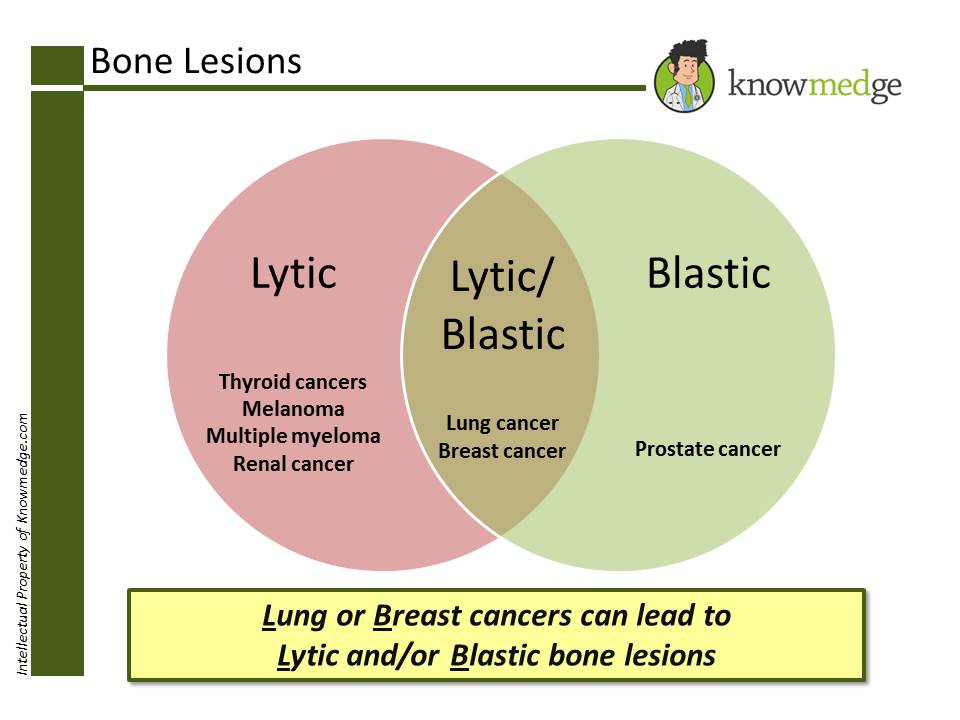
1. Which cancers correspond to lytic bone lesions? Blastic? Lytic or Blastic?
    • Lytic bone lesions
      • Melanoma
      • Multiple Myeloma
      • Renal cell cancer
      • Thyroid cancer
    • Blastic bone lesions
      • Prostate cancer
    • Lytic or blastic lesion
      • Lung cancer
      • Breast cancer
Bone Lesions
Click on image to enlarge
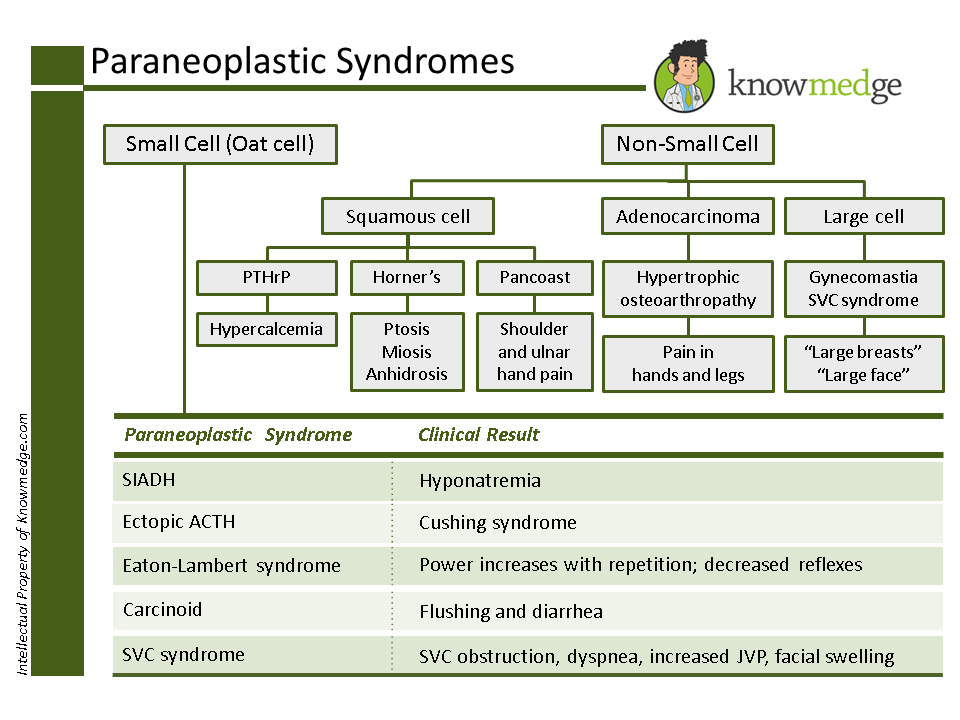
 2. Which paraneoplastic syndrome goes with which cancer?USMLE Step 1 Exam Practice Question - Paraneoplastic Syndromes
Click on image to enlarge
 3. Know these high-yield Breast Cancer facts for the ABIM and IM shelf exams
  • If the lesion is >1cm OR the patient has lymph node involvement → chemotherapy will be part of the treatment protocol.
  • If sentinel node biopsy is negative → no further lymph node biopsy is required
  • If the patient’s breast cancer is ER/PR (+) and patient is pre-menopausal →Tamoxifen is given X 5 years
  • If the patient’s breast cancer is ER/PR (+) and is post-menopausal → Aromatase inhibitors (eg. Anastrozole) is given
  • If the patient’s breast cancer is HER2/neu (+)→ Trastuzumab is given →can cause CHF →check echocardiogram to assess left ventricular function
  • Triple negative breast cancer (ER negative, PR negative, HER2/neu negative) have the worst prognosis
4. Don’t let chromosomal translocations overwhelm you
  • t (14,18) → Follicular Lymphoma
  • t (8,14) → Burkitt’s Lymphoma
  • t (9,22) → Known as Philadelphia Chromosome (BCR-ABL) gene fusion → good prognosis in CML patients and bad prognosis in ALL patients
  • t (15,17) → Acute promyelogenous Leukemia (M3) → good prognosis → Treatment is with All-Trans Retinoic Acid (ATRA)
  • t (11,14) →Mantle cell Lymphoma → highly aggressive form of Non-Hodgkin’s Lymphoma → cyclin D1 oncogene is overexpressed → treat with R-CHOP
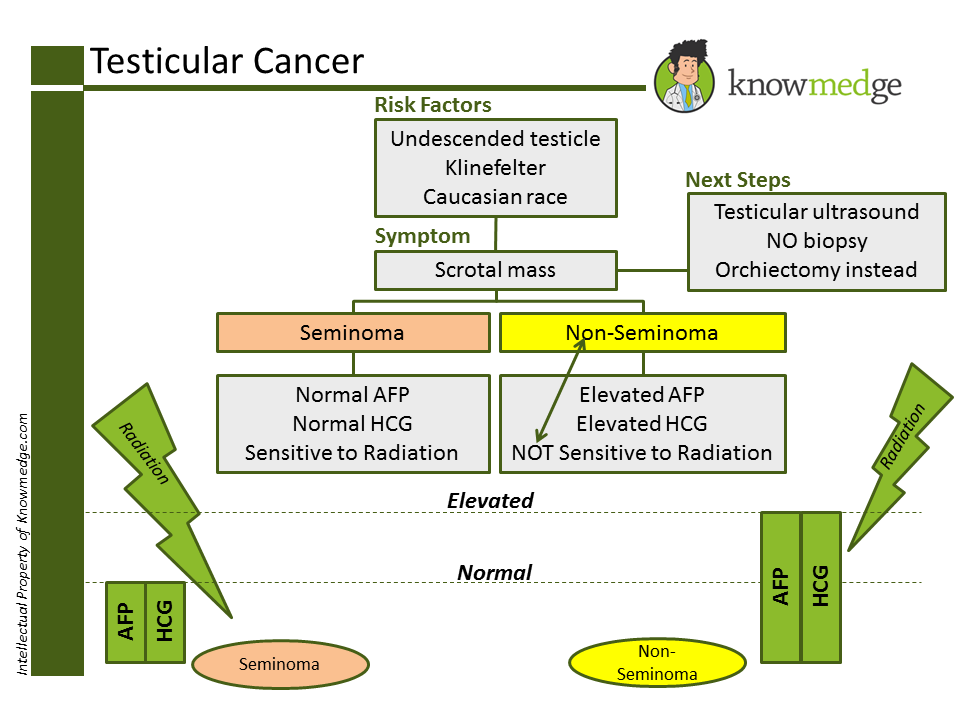
5. Testicular cancer is broken down into seminomas and non-seminomas
  • Seminomas are Radiation sensitive and usually have a normal AFP and HCG level
  • Non-Seminomas (eg, yolk sac tumor, embryonal carcinoma, teratoma, choriocarcinoma) are radiation resistant and usually have elevated AFP and HCG level
  ABIM Board Exam Maintenance of Certification Review - Testicular Cancer
 Click on image to enlarge
6. High-yield facts about Colon Cancer for the ABIM and IM Shelf Exam
  • If cancer invades mucosa or sub-mucosa → colon resection is required
  • If cancer invades muscularis propria, serosa, or has LN involvement →colon resection is required +chemotherapy (usually FOLFOX) +/- Irinotecan. FOLFOX is 5 flurouracil, Oxaliplatin, and Leucovorin
  • Most common area of metastasis for colon cancer is the liver
  • If solitary liver lesion →resection of liver can be performed
  • If multiple liver lesions → poor prognosis and survival rate is low
7. Must know Oncological Emergencies a.) Superior Vena Cava Syndrome → caused by obstruction to the superior vena cava leading to:
  • Neck and facial swelling
  • Dyspnea
  • Cough
  • Physical examination will show distended jugular veins
  • Chest x-ray may reveal mediastinal widening or right hilar mas
  • Most common cause is lung cancer (particularly small cell lung cancer). Malignant lymphoma is also a well-known cause of superior vena cava syndrome
  • Management obviously requires treatment of the underlying malignancy but symptomatic measures such as diuretics and elevation of the bed usually suffice
b.) Spinal cord compression
  • Most common cancers that cause spinal cord compression are: Lung cancer, breast cancer, prostate cancer, multiple myeloma, and lymphoma
  • Back pain is the most commonly presenting symptom. Other concerning symptoms include muscle weakness, numbness/tingling, cauda equina syndrome, and loss of bowel or bladder control
  • Diagnosis is required promptly to prevent further neurological deterioration and an MRI OF THE ENTIRE SPINE IS REQUIRED FOR DIAGNOSIS
  • Management for spinal cord compression is with Dexamethasone 10 mg IV X 1 dose, followed by Dexamethasone 4 mg IV every 6 hours.
  • Radiation therapy can help in shrinking the tumor; however, recent studies indicate that surgical decompression is superior to RT. Therefore, an immediate neurosurgical consultation is required when this condition is suspected or diagnosed.
c.) Tumor lysis Syndrome
  • Intracellular contents leak out into the bloodstream.
  • Although this condition can occur with any malignancy, it is more common in aggressive lymphomas and hematological malignancies.
  • Hyperkalemia, Hyperuricemia, Hyperphosphatemia, Acute renal failure, and hypocalcemia are often seen in patients with tumor lysis syndrome
  • Management of tumor lysis syndrome requires electrolyte abnormality correction, aggressive hydration, and allopurinol
Once again, the folks who write the Internal Medicine licensing exams don’t expect you to have the depth of knowledge regarding the plethora of cancer diagnoses that an oncologist possesses. However, topics such as the ones mentioned in the pearls above should assist you with the oncology section of the med school clerkship shelf and ABIM board exams.

Medical Mnemonics: Normal Pressure Hydrocephalus


Medical Mnemonic: “Wacky, Wobbly, Wet”

Patients who present with the triad of urinary incontinence, wide-based gait and dementia are likely to have normal pressure hydrocephalus (NPH). Symptoms for these patients are often remembered by the mnemonic “wacky, wobbly, and wet.”
  • Wacky: Dementia and mental impairment
  • Wobbly: Wide based gait (Difficulty walking)
  • Wet: Urinary Incontinence

NPH is a condition where excess cerebrospinal fluid (CSF) has slowly built up in the ventricles. Patients with NPH are generally older (over the age of 60). CT or MRI of the brain would reveal dilated ventricles without dilatation of sulci.

This is the first in our series of Medical Mnemonics Monday posts. You can all previous and future medical mnemonics here.

Monday, January 6, 2014

Medical Mnemonics: Rheumatic Fever - Major and Minor Criteria


Medical Mnemonic: Rheumatic Fever – Jones Cafe Pal
Rheumatic fever occurs after a streptococcal infection (usually caused by Group A Beta-Hemolytic Strep (GABHS)). It is an inflammatory condition that affects the joints, skin, heart and brain. Major criteria are referred to as Jones criteria and can be remembered by the mnemonic of the same name.
  • J – Joint involvement which is usually migratory and inflammatory joint involvement that starts in the lower joints and ascends to upper joints
  • O – (“O” Looks like heart shape) – indicating that patients can develop myocarditis or inflammation of the heart
  • N – Nodules that are subcutaneous
  • E – Erythema marginatum which is a rash of ring-like lesions that can start in the trunk or arms. When joined with other rings, it can create a snake-like appearance
  • S – Sydenham chorea is a late feature which is characterized by jerky, uncontrollable, and purposeless movements resembling twitches

Minor criteria include
  • C – CRP Increased
  • A – Arthralgia
  • F – Fever
  • E – Elevated ESR
  • P – Prolonged PR Interval
  • A – Anamesis
  • L – Leukocytosis
Diagnosis of rheumatic fever is made after a strep infection (indicated by either throat cultures growing GABHS OR elevated anti-streptolysin O titers in the blood) and:
  • Two major criteria OR
  • One major criterion and two minor criteria
Mnemonics by themselves are not the answer to remembering everything. However, if you know the basics and underlying issues, then a mnemonic can serve to help you recall the exam details that can easily get lost.
This is the first in our series of Medical Mnemonics Monday posts. You can see all futuremedical mnemonics here.

Monday, December 23, 2013

High-Yield Internal Medicine Board Exam Pearls PDF eBook


The Knowmedge High Yield Internal Medicine Board Exam Pearls eBook is now available! This eBook brings together all the high-yield pearls you’ve seen on our blog over the past year covering all the major categories you will see on the ABIM Exam or the NBME Internal Medicine Shelf Exam. There are 17 chapters covering:
  • Cardiovascular Disease
  • Endocrinology & Metabolism
  • Gastroenterology
  • General Internal Medicine
  • Hematology
  • Infectious Disease
  • Nephrology / Urology
  • Oncology
  • Neurology
  • Dermatology
  • Pulmonary Disease & Critical Care
  • Rheumatology / Orthopedics

Enrich your internal medicine exam prep and build your Knowmedge! Download your free copy and pass it on to a friend!

Also, if you haven’t seen and downloaded our first eBook (Internal Medicine Practice Questions), you can still do so! It’s also available for iTunes, Google Play, and Kindle.

High Yield Internal Medicine Board Exam Pearls by Knowmedge

Sunday, December 1, 2013

5 High-Yield Cardiology Pearls to Help Pass the Internal Medicine Boards

NOVEMBER 23, 2013 / 

Whether studying for emergency medicine, internal medicine, or USMLE board examinations, cardiovascular diseases are by far and away one of the biggest organ systems of which questions get asked.  If you pay attention, the first three pearls are all on physical exam findings and the last two pearls are on disease processes with high morbidity and mortality.  I have attached a review table for each pearl to help simplify the concepts and buzz phrases.

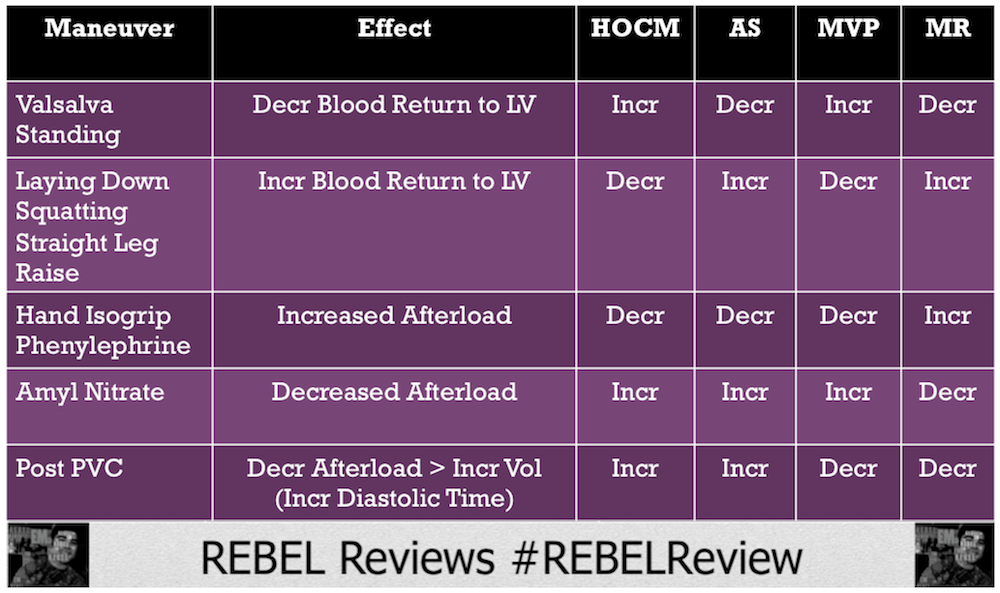
Pearl #1: Know what the maneuvers are that increase and decrease heart murmurs.

In general, you should know all the different maneuvers, their effect, and how they would affect valve abnormalities.  It is helpful to walk yourself through each valve abnormality, and try and explain why murmurs are increased or decreased, instead of just memorizing a table, which you will forget in 1 – 2 weeks.  That being said, common murmurs that seem to get the most questions are: HOCM, AS, MVP, and MR.

Cardiac Maneuvers - ABIM Internal Medicine Board Exam
Cardiac Maneuvers for the Internal Medicine Board Exam

Pearl #2: Know the abnormal arterial pulsations and the disease state with which they are commonly associated.
Arterial pulsations is another physical exam finding that can be very high-yield.  Recognizing the buzz phrase (arterial pulse description) and its association to what disorder it is commonly associated can help save you time on questions, which allows you more time on other questions.  This is too easy to not know these terms.


ABIM Exam / NBME Internal Shelf Exam - Pulses
Heart Pulses

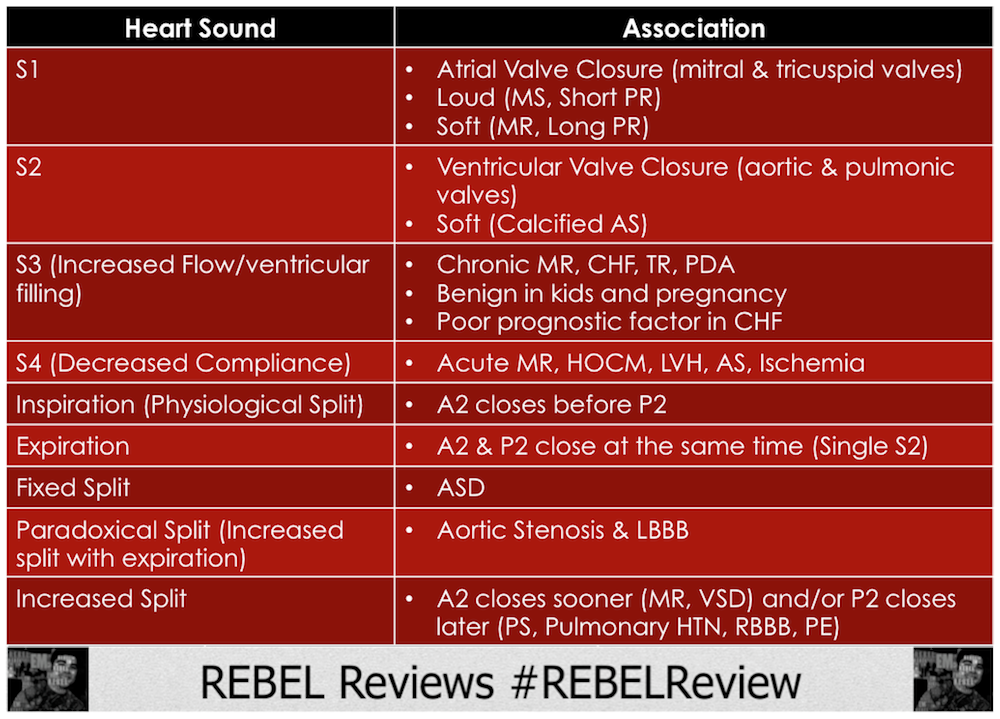
Pearl #3: Know your normal and abnormal heart sounds.
Heart sounds such as S1 and S2 is also a big part of the cardiovascular physical exam on boards.  Know what happens with inspiration/expiration as well as other pathologies.  Don’t forget about S3 and S4.  Remember, sometimes an S3 can be normal (i.e. pregnancy and children).

Heart Sounds - Internal Medicine Board Exam
Heart Sounds to know for the Internal Medicine Boards

Pearl #4: The number one killer in the world is ischemic heart disease, so know what medications improve morbidity and mortality.
First and foremost, be sure to fix modifiable coronary artery disease risk factors such as diabetes mellitus, hypertension, hyperlipidemia, and smoking.  Next know what medications decrease mortality in ischemic heart disease and acute coronary syndrome.  Also be sure to know the contraindications for lytics in STEMI.

High-Yield Information - CAD ACS Therapy Internal Medicine Boards
CAD ACS Therapy Table for the Internal Medicine Boards – Part I

Internal Medicine Board Exam - CAD ACS Therapy
CAD ACS Therapy Table for the Internal Medicine Boards – Part II

Internal Medicine Shelf Exam / ABIM Exam - Contraindications - Thrombolytics
Contraindications – Thrombolytics

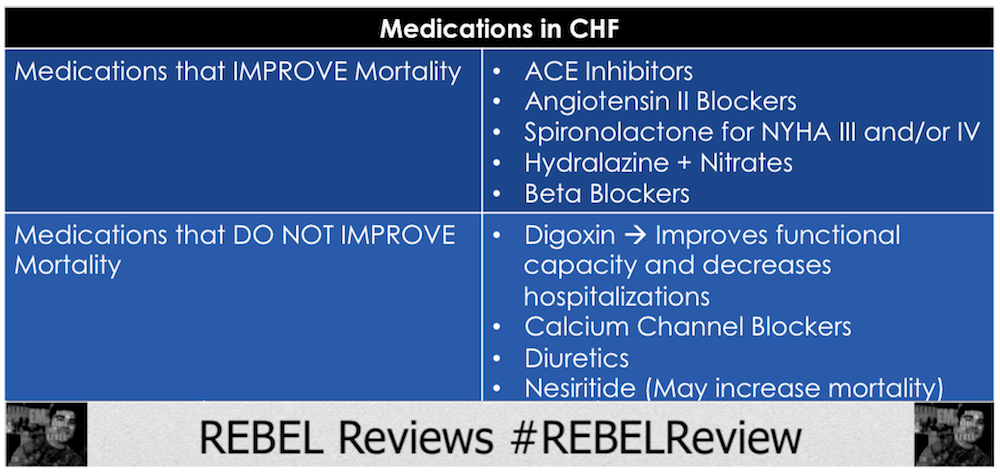
Pearl #5:  Congestive Heart Failure (CHF) is common, so know which medications affect mortality
CHF is a common disease process seen in hospitalized, elderly patients due to improvements in revascularization techniques. 40% of these patients die from arrhythmias and sudden cardiac death; therefore knowing what medications can improve mortality is something you should know.

Internal Medicine Boards - CHF - Medications
CHF – Medications

If you remember nothing else, KNOW THE PHYSICAL EXAM FINDINGS FOR CARDIOVASCULAR DISEASES!!! The cardiovascular physical exam is the largest portion of information that board questions in this section are derived.  Each pearl has one to two charts to help simplify these concepts.

Thursday, November 14, 2013

How to Study for the NBME Internal Medicine Shelf Exam

Internal Medicine Clerkship: Study Plan for the Shelf Exam

The NBME Internal Medicine Shelf Exam is challenging especially from the standpoint that it occurs during your internal medicine clerkship – a period that you are likely spending a lot of time at the hospital. This means whatever precious time you have, it needs to be focused on high-yield exam preparation. While there is no one way to study for the NBME Internal Medicine Shelf Exam, here we present some of the best practices we’ve picked up over time. As is the case with any board exam, the best tried and true overall method is to “study early and study often.”

1. Take a sneak peek at the shelf exam outline even before your rotation starts, if you can.

Unbeknownst to many medical students, the NBME publishes an Internal Medicine content outline of the covered subjects on the Internal Medicine shelf exam. As you review the list of systems, take a few moments to browse through the review book of your choice (more on this later) and familiarize yourself with the major diagnoses you can expect to see during your rotation.

As is the case with many medicine exams, Cardiovascular Disease is the basis for more questions than any other organ system. A large percentage (35% – 50%) of the exam is comprised of Cardiovascular Disorders, Disease of the Respiratory System, and Nutritional & Digestive Disorders.

2. Get a study guide–digital or print–to prepare for the NBME exam and your clerkship

It’s important to have a good study guide that is tailored for the exam while also preparing you for the patients you’ll encounter on the wards. Some of the more popular and effective guides we’ve come across that cover both objectives are: Master the Wards Internal Medicine Clerkship: Survive Clerkship and Ace the Shelf Exam and Step-Up to Medicine

The former is written by Dr. Conrad Fischer who has decades of experience teaching medicine at all levels–med school, residency, etc–and it shows in this book. His emphasis on clinical features, diagnostic workup and management of commonly encountered diseases is fairly comprehensive and yet easy to follow. Most students seem to find that by reading the relevant sections/chapters of this book related to their patients, they are able to answer just about any question an attending or resident asks them on rounds. Over the course of the clerkship, that serves as a huge confidence boost that can translate into a better performance on the shelf exam.

Step-Up to Medicine is especially strong because it covers diseases in such detail that even in the absence of another reference, you should be able to confidently learn the material needed to take care of your patients in the hospital or clinic and also pass the Shelf Exam. Easy-to-follow, colorful flow charts are an added bonus. If you’re asked by your attending to present a diagnosis related to one of your ward patients, don’t be surprised if Step Up is the first book you find yourself browsing. It’ll systematically cover the signs, symptoms, diagnosis, treatment and potential complications. While I hesitate to say that any resource is a “must-have” while you are on a medical rotation since there are so many ways to succeed, this book is the closest you get to a mandatory reference..

Undoubtedly, however, you will come across many of your medical student colleagues carrying First Aid for the Medicine Clerkship book. I myself used a previous edition of this book during my Internal Medicine rotation and felt that it didn’t go into enough details to lead to a mastery of the material clinically or for the shelf exam. Even if the shelf exam doesn’t ask minute details, the reference book you choose should provide some context to each disease rather than concentrating too much on mnemonics, which is what I feel First Aid focused on. It also wasn’t easily applicable to the patients one might expect to see while on rotation. Perhaps, folks still gravitate to this title because of the fact that First Aid for the USMLE Step 1 — an absolutely priceless resource–is fresh in the mind of third year medical students on their IM rotation, having taken the Step 1 exam just months earlier.

Lastly, since 2000, one book has become more recognizable on the Internal Medicine wards than any other: Pocket Medicine, which proudly states that it is “Prepared by residents and attending physicians at Massachusetts General Hospital.” From a marketing standpoint, the book is brilliant. The collective knowledge of the world’s premier institution in the pocket of my white coat? Who can say no to that?

Like the strategy behind the iPhone, each new edition of Pocket Medicine is easy to identify. When you discover that the “latest, latest” edition is colored purple, you start to feel that your green Pocket Medicine book handed down from a recent graduate seems grossly inadequate. It feels as uncool and antiquated as carrying around a BlackBerry phone. Pocket Medicine works for some folks; it has to or it wouldn’t still be around after a decade and a half. However, I found the tiny print to be incredibly difficult to navigate. Because the emphasis is on cramming information into the limited space, the content does not flow nearly as well as Step Up. While there are ample citations, given that the study can’t be clicked, it isn’t convenient. To better view cited material, I would use UpToDate, which your medical center likely offers, at least for computers on the premises.

3. Thriving on the Internal Medicine rotation doesn’t guarantee success on the NBME Exam… but it sure helps!

Your weeks-long rotation in inpatient and outpatient Internal Medicine is not designed to prepare you for the end of the clerkship NBME shelf exam. Plain and simple. It is intended instead to familiarize you with the common (and some not-so-common) conditions that internists can expect to see. By knowing those diagnoses like the back of your hand, you can better spend your study time reviewing the more esoteric diagnoses you probably won’t come across in the patients on your census.

Treat each and every patient you admit from the emergency room, write a SOAP note on in the general medicine floors, and see in the exam room of a clinic as an incredible learning opportunity. Don’t forget that as a student you put in early mornings and late nights to study human pathophysiology, anatomy, genetics, ethics, etc to be given the privilege of seeing live patients. This is your chance to not only be a part of an actual patient care team but also finally correlate the tons of medical lectures to a real patient, not a synthesized PBL case.

As a senior resident, I recall often starting my third year medical students with admissions that on the surface seemed relatively basic: an alcoholic with acute pancreatitis, an obese middle-aged man with chest pain after consuming a fatty meal, an 80-year-old female with a 60-pack-year smoking history presenting with her third COPD exacerbation of the year. But they were easy admissions only on the surface because it was easy to get fooled into thinking that identifying the diagnosis was the goal of our trade. In fact, these admissions were chock full of medical knowledge, provided you successfully opened your mind. Even though the diagnosis is screaming out at you (often the case with the thorough work-up our Emergency Medicine colleagues perform and the promptness of imaging reads by our Radiology friends), maintaining a broad enough differential allows you to be prepared for the next patient who may have an atypical presentation of a common diagnosis. That, of course, is the type of patient that one finds presented on the NBME exam.

I’ve noticed that with the truncated work-hour schedule in residency, education of residents and medical students alike has been cut substantially. Even if this means you’re not “getting pimped” by your attending or senior, read up on each patient’s complaints. In other words, that patient with pancreatitis should send you on an exploration of the differential diagnosis based on the location of the abdominal pain. Even within pancreatitis, use the “I GET SMASHED” mnemonic to branch out and learn about each of those topics separately. For instance, the G stands for Gallstones, which should lead to a review of the diagnosis, treatment, and complications of cholelithiasis.

Rather than trying to serve as an additional intern and take care of as many patients as possible (remember medical student doesn’t equal workhorse), use the experience of taking care of a reasonable number of patient to learn about them and their conditions as well as you can. Ultimately, that will serve you well for developing a solid fund of knowledge and experience you’ll be able to apply for years while better preparing you for the NBME exam at the same time.

4. Join a study group or at least get a study partner

It may seem impossible to find the time on your third-year Internal Medicine clerkship to coordinate your schedule with other students. Having been in those shoes before, I can tell you that it can be done. Often, students are given either a Saturday or Sunday off. If you look around at the beginning of your clerkship orientation, you should be able to find another student with a similar work schedule.

There’s nothing quite like learning from your colleagues. How do you find a partner who matches your intelligence? It doesn’t matter what their IQ is relative to yours. You simply need a partner who shares your passion for learning. Even if you come across questions for which neither you nor your partner have an answer to, a textbook, reliable website (and most likely Knowmedge) surely will. And if you find that you actually know more than the person you are studying with, you’ll be happy to know that nothing reinforces concepts than teaching them to others. An additional benefit of having a study buddy: A few minutes (not much longer than that) can be spent debriefing your fellow medical student on the quirkiness of your attending, idiosyncrasies of your senior attending, and coolness of your intern, etc. Nothing is quite as soothing as having someone who can relate to your situation.

In the event that you’ve been stationed in some remote location far far away from your other class members, don’t despair. Fortunately, we live in a digital age where being part of a study group is much easier. You can connect with colleagues through Skype, Google Hangout or a number of other channels. One of our favorite approaches is to remain informed and learn through the power of social media – in particular Twitter. In a previous post, we highlighted excellent Twitter handles to follow for internal medicine board review. If Twitter is not your cup of tea, you can also connect with colleagues through the High-Yield Internal Medicine community on Google+. Regardless of what approach you decide to use, studying alongside others preparing for the same exam is a great motivational tool for success.

5. Get a question bank that fits your personal needs What is the value of an Internal Medicine question bank? This is a discussion near and dear to our heart, of course. Question banks have become a popular tool because they bring together a lot of material in a question format and help create a test taking environment. There are a lot of question banks to choose from – so what should you look for in an NBME qbank?

  • High quality NBME-style questions in a format similar to the exam: The exam is mostly filled with clinical vignettes and has straightforward questions as well. At a minimum, your NBME exam question bank should have both of these types of questions. Quantity is important – but the quality of the questions and explanations is much more important.

  • Detailed explanations that review why the incorrect choices were wrong: A question bank that does not provide you detailed explanations is probably not worth the money and time spent. As you review questions, you will inevitably get some wrong – your choice of NBME question bank should detail why your choice is incorrect and the reasoning behind the correct choice.

  • Ability to track your personal performance: Your choice of NBME qbank should be able to tell you your performance overall and by category. Most – not all – question banks provide you a dashboard broken down by category. The Knowmedge question bank has gone an additional step to break the categories into subcategories as seen on the NBME exam blueprint. This allows you to review your strengths and weaknesses at a granular level. Knowing you are weak at cardiovascular disease is great – knowing you are weak at arrhythmia questions is more valuable.

  • Add-ons – Notes, Lab values, Highlighting: Depending on how you study, these may be valuable features. NBME exam questions straight talk:

No question bank – not MKSAP for Students, not Knowmedge, not any – knows what will be on the actual NBME exam. However, the NBME blueprint helps to understand the areas that are emphasized the most. Granted, you still are going to need to study the whole curriculum, but it can certainly alleviate some of the anxiety when down the stretch, you are unsure of one of the topics that forms a smaller percentage of the questions. With limited time to study, you can better choose which high-yield subject areas to study. During the development of Knowmedge’s qVault, the entire team focused our energy not on trying to give the exact questions that will be on the exam. Instead, we look at the sign of an excellent question bank as teaching important medical concepts that also is useful for the exam.

High-quality NBME exam review questions can be found in many places – question banks are not the only place. There are study guides, books, and even free sources. So don’t simply base your decision on question bank on the questions. In addition to the quality of the questions, what truly differentiates one NBME exam question bank from another is whether it will truly help you build a broad base of knowledge and help you retain information for the exam. If you are not comfortable reading a bunch of text – it won’t matter how great the questions are. If you are not an audio-visual learner, the Medstudy or Knowmedge videos won’t do anything for you (As clarity, the Knowmedge qbank contains text and audio-visual explanations for this exact reason). If you are an “old-fashioned” learner that prefers printouts – USMLEWorld is definitely not for you – those who have used them are well aware their software will block you from taking print screens or copying of their content. In short… don’t follow the herd – each one of us learns differently and you need to pick the best method for you.

6. Review our suggested NBME test taking strategies

The NBME exam questions are not intended to trick you – they are intended to challenge your knowledge and ability to bring together your understanding of many different concepts and topics. As mentioned above you will see atypical presentations of common diagnoses or typical presentations of the uncommon diagnoses. Below are some of the tactics you can use as you are practicing questions and/or taking the actual NBME exam:

  • For clinical vignettes, read the question (last line) first and then go back and read the scenario. This way you’ll know what to look for as you are reading the scenario.
  • Try to answer the question even before peeking at the answer choices.
  • Watch for key demographic information – geography, ethnicity, gender, age, occupation.
  • The NBME test is not intended to be tricky but we are all human so we miss keywords sometimes – such as “least likely” – pay attention to these. Fortunately, exams have cut down on including these but you may still come across them.
  • If you are challenged by a longer clinical vignette, note the key items and develop your own scenario – this may trigger an answer.

Most medical students I’ve spoken with say time is generally not an issue – 100 questions in 2 ½ hours means 90 seconds per question–but be sure to maintain the pace recognizing that it’s not uncommon to find yourself slowing down towards the end. Get off to a steady start to save time for the home stretch. We cannot stress enough the mantra “study early and study often.” The exam is challenging due to the breadth of Internal Medicine topics but it can be conquered with diligence and proper preparation.

7. Understand and be prepared for Shelf exam day

Be prepared and confident. No matter how you have chosen to study, on test day – confidence is critical! Get a good night’s rest – last minute cramming and staying up late is only going to stress you out more. Get there early – don’t risk getting caught in traffic. It’s much better to be a little early than be aggravated in traffic.

Take an extra layer of clothing. The last thing you want to do is be uncomfortable and cold because someone decided to turn on the air conditioner too high.

That’s a basic overview of how to study for and pass the NBME Internal Medicine Board Exam. As mentioned, there is no secret sauce or method to this – you simply need to have a broad base of knowledge. There is no substitute for studying early and studying often! If you are in the middle of your Internal Medicine rotation or about to start, we wish you well – we’re here to help so let us know if you have any questions! Happy learning!